
Table of contents▼
5 Innovative Driver Training Programs That Enhance Patient Care and Safety
In the world of Non-Emergency Medical Transportation (NEMT), things are changing fast. If you’re like me, you know how important it is to keep patients safe and comfortable every step of the way. But here’s the thing: it’s not just about being good behind the wheel. It’s about how drivers interact with passengers, how they communicate, and how well they’re prepared to handle unexpected situations.
Driver training has become a whole lot more than just practice drives and rulebooks. Today’s innovative programs focus on building skills that truly improve patient care and safety, creating drivers who are confident, compassionate, and ready for just about anything.
Curious about what’s out there? Let’s dive into the top 5 driver training programs that are shaking up NEMT and helping providers like you raise the bar for safety and service.
Why Do We Need New Approaches to Driver Training in NEMT?
If you’ve ever seen a typical driver training class, it might feel pretty basic — a bit too focused on just "how to drive." But NEMT is different. Drivers aren’t just moving passengers from point A to B; they’re caring for people who might have mobility issues, health concerns, or anxiety about their ride.
The traditional methods don’t always prepare drivers for that. Here’s where things get tricky:
- There’s often little to no training on how to connect with patients or show empathy
- Drivers might not be ready to act quickly in medical emergencies or handle delicate situations
- Sometimes, the latest safety tips or regulations can be missing
- And continuous learning? Almost non-existent.
Have you ever witnessed a driver struggle because they weren’t ready for the emotional or medical side of the job? I have — and it’s frustrating, for both the driver and the passenger. This gap can lead to safety risks and poor patient experiences.
So, embracing fresh, well-rounded training programs isn’t just nice — it’s necessary.
5 Driver Training Programs That Are Changing the Game in NEMT
1. Simulation-Based Training
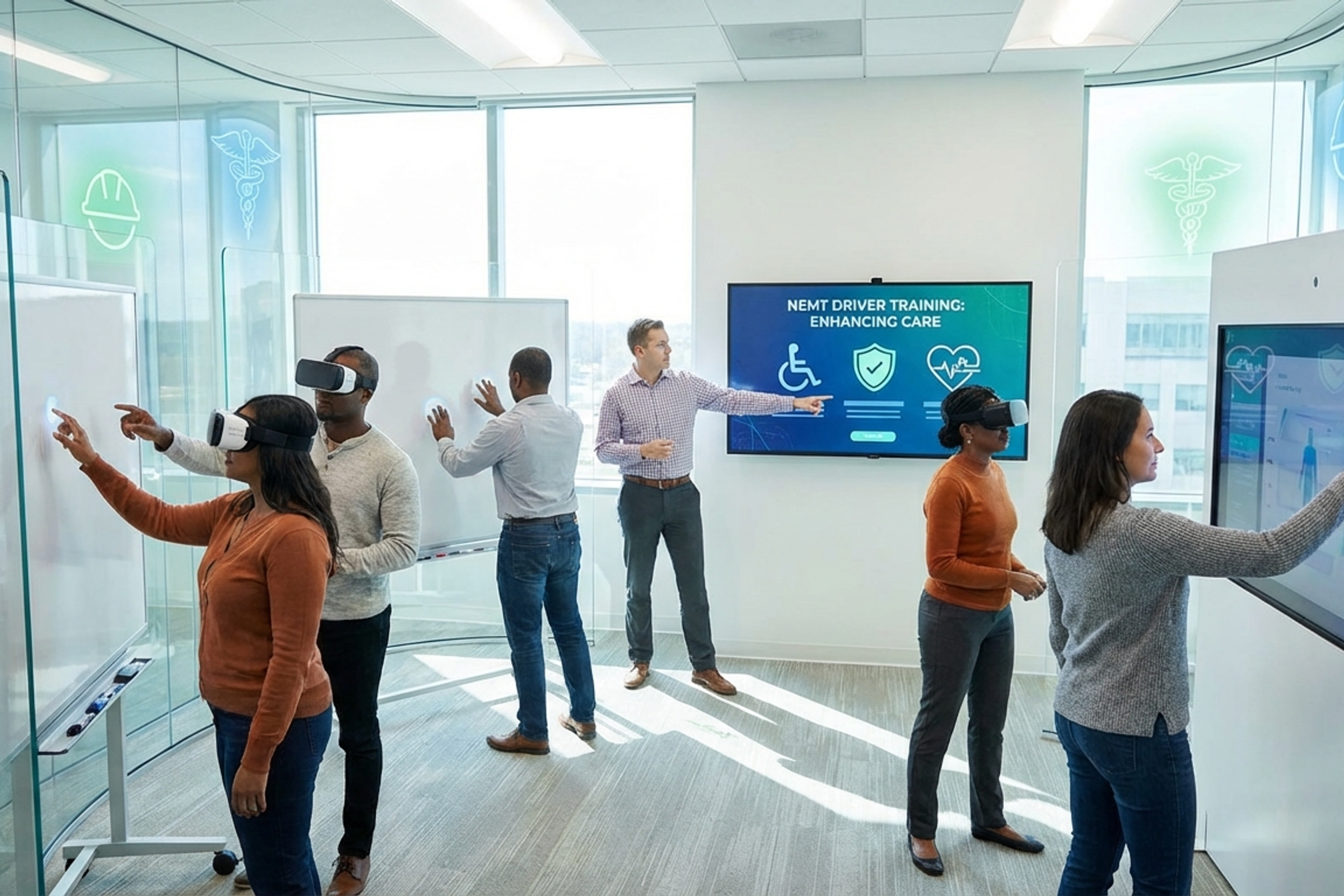
This one’s pretty cool. Imagine stepping into a virtual reality setup and experiencing all sorts of challenging scenarios — tricky street layouts, unpredictable weather, or even a patient suddenly feeling unwell mid-ride. No risk, all learning.
Simulation training lets drivers practice reactions in a safe environment. It’s hands-on and immersive—perfect for building muscle memory and quick thinking. Plus, you can tweak the scenarios to match what drivers in your specific area face every day.
Think about it: wouldn’t you feel way more confident handling tough situations after a few trial runs like this?
Ready to streamline your transportation workflow?
Discover how an all-in-one NEMT solution can automate scheduling, plan routes and simplify billing so you can focus on delivering exceptional care.
2. Patient-Centered Communication Training
Driving a NEMT isn’t just about steering the wheel – it’s about being a kind, reassuring presence. This training helps drivers speak respectfully and connect with patients who might feel nervous or frustrated.
You learn how to read body language, calming words to use, and even how to explain delays without causing more stress. It’s like giving drivers the tools to be caregivers on wheels.
I bet you’ve had an experience where a simple kind word made a big difference during a rough day. This training makes that happen more often.
3. Advanced Safety Protocols and Defensive Driving Courses
Safety is the backbone here, right? These courses are all about prepping drivers to spot hazards before they turn into accidents.
What makes them different? They focus on specifics — NEMT vehicles often aren’t your typical cars, and routes might come with unique risks. There’s also important training on laws like the ADA and HIPAA to keep everyone protected and compliant.
Ever come across a driver who seemed to anticipate every possible danger on the road? These courses help build exactly that level of awareness.
4. Technology-Integrated Learning Platforms
Let’s face it—everyone’s busy. That’s why flexible, tech-friendly training options are so great. Drivers can hop on an app or a website whenever they have a moment, going through interactive lessons that actually keep them interested.
These platforms track progress, highlight areas to improve, and even send instant feedback. It’s like having a coach in your pocket, making it easier to keep skills sharp and catch any bad habits early.
Are you someone who learns better on your own time? This might be a game-changer for your team.
5. Continuous Education and Certification Programs
One-time trainings are nice, but the reality is, stuff keeps changing. Continuous education means drivers keep up with the latest in safety, patient care, and industry rules. Plus, getting formal certifications builds pride and professionalism.
Some programs even offer specialized training based on the unique needs of your fleet or the people you serve. It’s about growing, not just ticking a box once and forgetting about it.
It’s like putting education on a treadmill — always moving forward, never stuck.
What’s the Real Impact on Patient Care and Safety?
You might wonder if all this training really moves the needle. Here’s what I’ve seen and what the research says:
- Patients feel more comfortable and trusting when drivers communicate with empathy and care. That calming presence makes appointments and rides less stressful, which is huge when people are dealing with health issues.
- Accident rates drop because drivers trained in simulations and defensive driving spot and avoid dangers faster.
- Drivers themselves feel more confident, less stressed, and generally happier at work — which circles right back to better service.
How do you think your patients would react if every ride felt both safe and supportive? Pretty powerful stuff.
So, How Do You Bring These Programs Into Your NEMT Operation?
Getting started isn’t always obvious, so here are some simple steps that might help:
Take Stock of What You Have
Look at your current training setup and ask yourself where things fall short. Checking in with your drivers and collecting feedback from patients can uncover blind spots you might not have noticed.
Pick Programs That Match Your Needs
No two NEMT services are the same. If you’re in a rural area, simulation training for weather-related hazards could save lives. Urban providers might want to zero in on defensive driving or patient communication.
Track What’s Working
Set some clear goals before launching new training — accident rates, patient feedback, driver retention — and check regularly to see how things improve. It’ll help you keep things on track and make smarter investments.
Need some guidance or tools? Check out NEMT Platform, where they specialize in tailored solutions for companies just like yours.
Wrapping It Up
Honestly, innovative driver training programs are a total game-changer for anyone in the NEMT space who cares about patient safety and experience. When drivers get the right mix of tech tools, communication skills, and ongoing education, everyone benefits — from the folks riding in the backseat to the companies that care enough to invest.
Are you ready to boost your team’s skills and set a new standard in patient care? Take a closer look at these training options. You might just find the missing puzzle piece that keeps your fleet safe, professional, and compassionate.
Want to see how these training programs could fit your team? Head over to https://nemtplatform.com/ and explore their driver training solutions tailored for NEMT providers.
Let’s equip your drivers with what they really need—for safer rides and patients who feel truly cared for.
References & Further Reading:
- Federal Motor Carrier Safety Administration (FMCSA) - Driver Training
- National Safety Council – Defensive Driving Resources
- Americans with Disabilities Act (ADA) Standards for Transportation – ADA.gov
Related Articles
Medi-Cal NEMT vs Uber/Lyft: California CalHHS Policy Guide
Medi-Cal pays for Uber and Lyft rides under the NMT benefit for ambulatory members, but wheelchair and gurney patients require a certified NEMT provider.
NEMT Billing Explained: From Trip to Paid Claim (2026)
How NEMT billing really works in 2026: the claim lifecycle, why claims get denied, EVV and compliance, and how the right billing software gets you paid faster.
Executive Guide to NEMT: Margin, Risk & Technology
For NEMT leadership: why margins are compressing, the three exposures the C-suite owns, and how technology decisions protect the P&L at enterprise scale.
Starting an NEMT Business in 2026: Where the Real Profit Comes From
NEMT operators in 2026 can reach 20-35% margins via hospital discharge contracts, stretcher and bariatric transport, long-distance trips, and private concierge accounts beyond standard broker rides.