Medi-Cal NEMT vs Uber/Lyft: California CalHHS Policy Guide
Medi-Cal pays for Uber and Lyft rides under the NMT benefit for ambulatory members, but wheelchair and gurney patients require a certified NEMT provider.
Read more

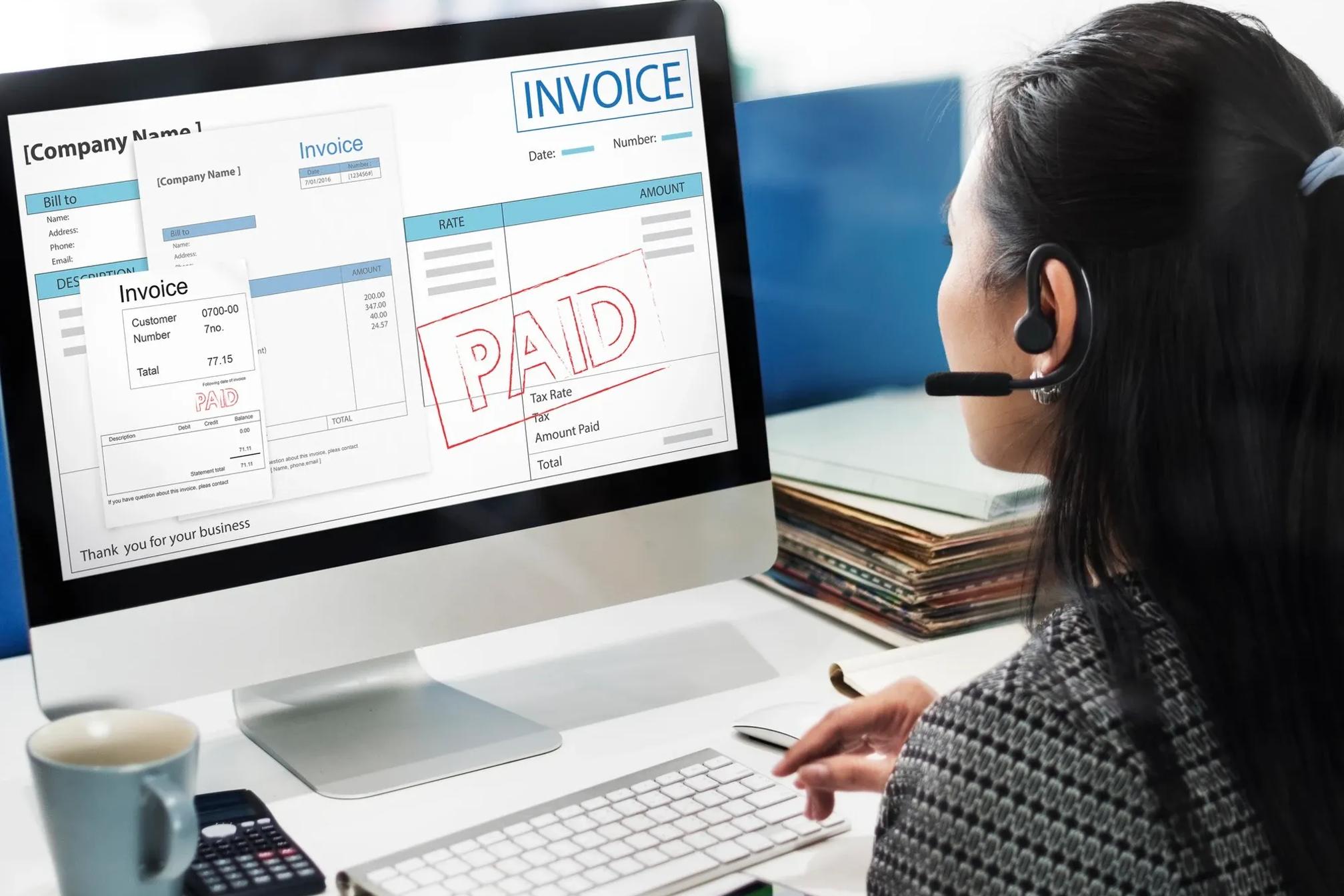
For Non-Emergency Medical Transportation (NEMT) providers, billing is often one of the most time-consuming and error-prone parts of the operation. With varying state Medicaid requirements, complex trip data, and constant pressure to maintain compliance, manual billing processes can lead to delays, denials, and lost revenue.
Enter automated billing solutions—a game-changing technology that allows NEMT providers to streamline their operations, reduce administrative burden, and maximize revenue collection.
In this blog, we’ll explore how automated billing works in NEMT, the core benefits, and how it can fuel long-term business growth.
Automated billing uses software to collect, verify, and submit trip and patient data to Medicaid, brokers, or private payers. Instead of manually entering ride details and uploading documents, billing systems:
Impact: Automation reduces human error and ensures a smoother billing cycle from start to finish.
Manual billing introduces inefficiencies and risks, including:
Result: Slow payments, high overhead, and a strained back-office team.
Implementing an automated billing solution can transform your revenue cycle by delivering:
a. Faster Reimbursements
With real-time claim submissions and digital tracking, providers get paid faster and more reliably.
b. Improved Accuracy
Software checks for missing data, eligibility mismatches, and formatting errors before submission.
c. Reduced Administrative Burden
Fewer manual tasks mean your team can focus on higher-value responsibilities.
d. Integrated Compliance Tools
Automated systems align with Medicaid, HIPAA, and EVV requirements for streamlined audits and documentation.
e. Increased Revenue Capture
Fewer denials and faster correction workflows lead to improved overall profitability.
When choosing a billing solution, prioritize features such as:
Tip: Look for solutions that integrate seamlessly with your dispatch and scheduling systems.
Medicaid billing requires strict adherence to documentation and verification standards. Automated systems:
Impact: Better compliance leads to stronger relationships with brokers and fewer audit risks.
Discover how an all-in-one NEMT solution can automate scheduling, plan routes and simplify billing so you can focus on delivering exceptional care.
Claim denials cost your business both time and money. Automation helps by:
Benefit: Lower rejection rates mean faster, more predictable cash flow.
Modern billing systems provide real-time dashboards to:
Bonus: These insights support smarter budgeting and resource planning.
For successful implementation:
Tip: Choose user-friendly software that simplifies the learning curve.
Automated billing isn’t just a back-office upgrade—it’s a strategic move that increases profitability, reduces operational risk, and strengthens your ability to scale. For NEMT providers navigating complex payer relationships and rising demand, automated solutions offer a smarter, faster way to ensure you get paid accurately and on time.
Medi-Cal pays for Uber and Lyft rides under the NMT benefit for ambulatory members, but wheelchair and gurney patients require a certified NEMT provider.
How NEMT billing really works in 2026: the claim lifecycle, why claims get denied, EVV and compliance, and how the right billing software gets you paid faster.
For NEMT leadership: why margins are compressing, the three exposures the C-suite owns, and how technology decisions protect the P&L at enterprise scale.
NEMT operators in 2026 can reach 20-35% margins via hospital discharge contracts, stretcher and bariatric transport, long-distance trips, and private concierge accounts beyond standard broker rides.
See NEMT Platform in Action
Get a free, personalized walkthrough of dispatch, billing & scheduling built for NEMT providers.