
Table of contents▼
No-shows remain one of the most expensive and frustrating problems in non emergency medical transportation. Every missed trip represents wasted driver time, lost revenue, delayed patient care, and unnecessary administrative effort. For NEMT providers, brokers, and healthcare partners, no-shows are not a minor inconvenience. They are a structural issue that directly affects service quality, compliance, and long term sustainability.
As demand for NEMT services continues to rise, driven by ageing populations, chronic care needs, and value based healthcare models, the tolerance for inefficiency is shrinking. Manual processes, fragmented communication, and reactive dispatching are no longer enough. Solving the no-show problem requires a combination of operational discipline, patient engagement, and modern NEMT software built specifically for real world transportation workflows.
This article explores why no-shows happen, how they impact NEMT operations, and which best practices actually reduce missed trips. It also explains how modern NEMT dispatch software, including NEMT Platform, enables providers to move from reactive damage control to proactive prevention.
Understanding No-Shows in Non Emergency Medical Transportation
A no-show in NEMT occurs when a rider fails to be present or ready for a scheduled pickup, or when a facility is unable to receive the patient at the scheduled time. While this may sound straightforward, the underlying causes are often complex and layered.
Unlike traditional ride services, NEMT trips involve multiple stakeholders. These include patients, caregivers, medical facilities, brokers, dispatchers, and drivers. A breakdown at any point in this chain can result in a missed trip.
Common causes of no-shows include:
- Patients forgetting appointments or misunderstanding pickup times
- Last minute appointment cancellations not communicated to transport providers
- Incorrect pickup addresses or contact details
- Long wait windows that cause riders to leave before the driver arrives
- Facility delays or appointment rescheduling
- Language barriers and accessibility challenges
- Lack of real time communication between dispatcher and driver
In many operations, no-shows are treated as unavoidable. In reality, most are predictable and preventable when the right systems and processes are in place.
The True Cost of No-Shows for NEMT Providers
The financial impact of no-shows goes far beyond a single missed fare. Over time, they erode margins, disrupt planning, and increase operational stress across the organisation.
Lost Revenue and Increased Costs
Every no-show consumes resources. Drivers are paid, vehicles incur fuel and maintenance costs, and dispatchers spend time managing failed trips. In many cases, reimbursement is denied or reduced, particularly when billing rules require proof of service delivery.
Repeated no-shows can also distort route planning, leading to inefficient vehicle utilisation and increased deadhead miles.
Driver Morale and Retention
Drivers experience no-shows as wasted effort. Arriving on time, waiting, and then leaving without a completed trip is demoralising. Over time, this contributes to frustration, lower job satisfaction, and higher turnover.
In an industry already facing driver shortages, avoidable no-shows make retention even harder.
Impact on Patient Care and Healthcare Outcomes
Missed transportation often means missed medical appointments. This can lead to delayed treatment, worsening health conditions, and increased emergency care costs. Healthcare partners increasingly expect NEMT providers to support continuity of care, not disrupt it.
Providers with high no-show rates may struggle to maintain strong relationships with brokers, hospitals, and managed care organisations.
Why Traditional Approaches to No-Shows Fall Short
Many NEMT operations still rely on manual or semi manual processes to manage trips. These approaches struggle to address no-shows effectively for several reasons.
Reactive Rather Than Preventive
Manual dispatching focuses on responding to problems after they occur. When a rider does not show up, the dispatcher reacts by cancelling the trip, logging the issue, and moving on. There is little insight into patterns or root causes.
Limited Visibility and Data
Without centralised NEMT software, trip data is often scattered across spreadsheets, phone logs, and disconnected systems. This makes it difficult to analyse trends, identify high risk trips, or measure the effectiveness of interventions.
Poor Communication Loops
Phone based reminders and last minute calls depend heavily on staff availability and accurate contact information. Missed calls, language barriers, and unclear messages reduce their effectiveness.
Inflexible Scheduling
Static schedules leave little room for adjustment. If a patient is running late or a facility reschedules an appointment, dispatchers may not have the tools to adapt in real time.
Ready to streamline your transportation workflow?
Discover how an all-in-one NEMT solution can automate scheduling, plan routes and simplify billing so you can focus on delivering exceptional care.
Best Practices for Reducing No-Shows in NEMT Operations
Reducing no-shows requires a shift from assumption to insight. Providers must treat attendance as a measurable, manageable outcome rather than an uncontrollable variable.
1. Automated Appointment and Pickup Reminders
Automated reminders are one of the most effective tools for reducing no-shows. These reminders should be:
- Timely, sent at appropriate intervals before the trip
- Clear, stating pickup time, location, and any preparation requirements
- Multi channel, using SMS, voice calls, or app notifications where possible
Modern NEMT software allows reminders to be triggered automatically based on trip status, reducing reliance on manual calls.
2. Confirmations and Two Way Communication
Reminders are more effective when they allow riders to confirm, cancel, or request changes. Two way communication helps identify potential no-shows early, giving dispatchers time to adjust schedules or reassign resources.
Driver apps also play a role by enabling drivers to report arrival, waiting time, and rider readiness in real time.
3. Accurate and Up to Date Rider Information
Incorrect contact details are a leading cause of no-shows. Providers should ensure that rider profiles include:
- Verified phone numbers
- Clear pickup instructions
- Accessibility requirements
- Preferred language where applicable
Centralised NEMT platforms make it easier to maintain consistent rider data across trips and teams.
4. Flexible Scheduling and Dynamic Adjustments
Rigid schedules increase the likelihood of no-shows. When trips can be adjusted in response to real time information, providers can accommodate delays without cancelling service.
Dynamic scheduling tools allow dispatchers to resequence routes, adjust ETAs, and notify drivers instantly, reducing the impact of minor disruptions.
5. Clear No-Show Policies and Accountability
Transparent no-show policies help set expectations with riders and facilities. These policies should define:
- Waiting time thresholds
- Documentation requirements
- Billing implications
- Escalation procedures
When enforced consistently and supported by software generated logs, these policies protect providers while encouraging better attendance.
The Role of Predictive Analytics in No-Show Prevention
While reminders and communication reduce many no-shows, some patterns are not immediately obvious. Predictive analytics helps providers move beyond guesswork.
Identifying High Risk Trips
By analysing historical data, NEMT software can identify trips with a higher likelihood of no-show based on factors such as:
- Time of day
- Trip distance
- Rider history
- Facility type
- Weather conditions
This allows dispatchers to apply additional safeguards to high risk trips, such as extra reminders or confirmation calls.
Improving Resource Allocation
Predictive insights help providers allocate vehicles and drivers more effectively. For example, routes with historically high no-show rates may be scheduled differently or combined with lower risk trips.
Supporting Continuous Improvement
Data driven analysis allows providers to measure which interventions work and which do not. Over time, this leads to better policies, more accurate scheduling, and reduced operational waste.
How NEMT Dispatch Software Changes the Equation
Reducing no-shows at scale is not possible with disconnected tools. Comprehensive NEMT dispatch software provides the foundation needed to implement best practices consistently.
Centralised Trip Management
A unified platform brings together scheduling, dispatching, driver management, and rider communication in one system. This reduces errors and ensures that everyone is working from the same information.
Real Time Visibility
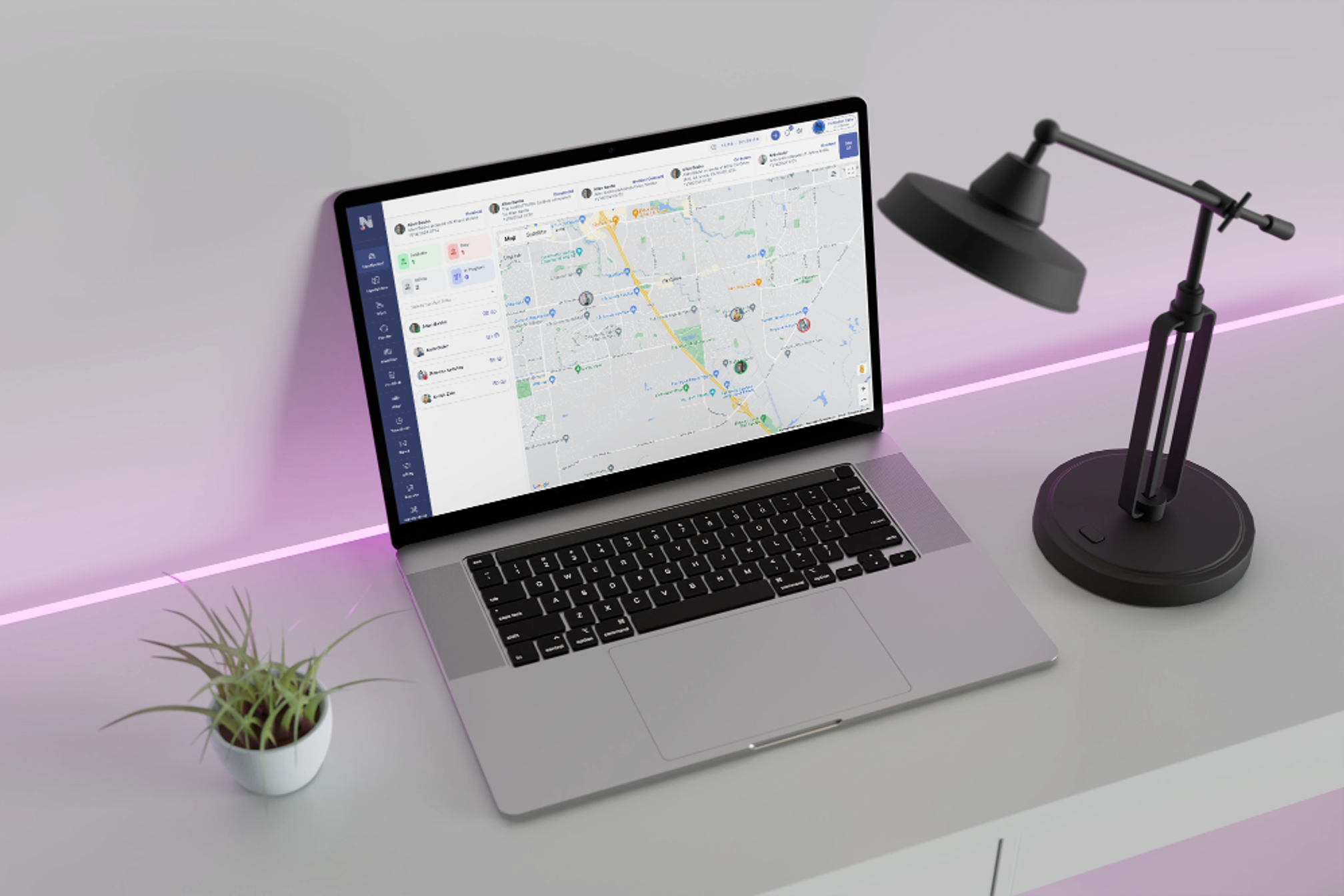
Dispatchers gain real time insight into trip status, driver location, and rider readiness. This visibility enables faster decisions and fewer missed pickups.
Automated Workflows
Automation reduces reliance on manual intervention. From reminders to status updates, software driven workflows ensure that critical steps are not missed, even during high volume periods.
Integrated Reporting and Compliance
Accurate logs and reports support billing, audits, and broker requirements. Clear documentation of no-shows protects providers from disputes and revenue loss.
How NEMT Platform Addresses the No-Show Challenge
NEMT Platform is designed to address the realities of non emergency medical transportation, not generic ride scheduling. Its features align directly with the best practices discussed above.
Smart Scheduling and Dispatch
The platform supports flexible scheduling, allowing dispatchers to adjust routes and ETAs as conditions change. This reduces cancellations caused by minor delays or miscommunication.
Automated Rider Notifications
NEMT Platform enables automated reminders and notifications that keep riders informed and engaged. These notifications reduce confusion and increase readiness at pickup time.
Driver App with Real Time Updates
Drivers receive clear trip details, live updates, and the ability to report arrival and waiting status. This creates a closed communication loop between driver and dispatcher.
Data Driven Insights
Built in reporting tools help providers track no-show patterns and identify areas for improvement. Over time, this data supports better decision making and more reliable service.
Scalable for Providers and Brokers
Whether managing a small fleet or coordinating multi broker operations, NEMT Platform supports growth without sacrificing control or visibility.
To explore how these features work together, visit
https://nemtplatform.com/
To see scheduling and dispatch capabilities in more detail, visit
https://nemtplatform.com/schedule
Aligning Technology With Human Processes
Technology alone does not eliminate no-shows. Success comes from aligning software capabilities with well defined operational processes.
Providers should invest in:
- Training dispatchers and drivers on system usage
- Setting clear expectations with riders and facilities
- Reviewing performance data regularly
- Adjusting policies based on real outcomes
When technology supports people rather than replacing judgement, no-show rates decline naturally.
Looking Ahead: The Future of No-Show Management in NEMT
As healthcare systems continue to emphasise outcomes and efficiency, NEMT providers will be held to higher standards of reliability. Reducing no-shows will become a competitive advantage rather than a defensive necessity.
Emerging trends include:
- AI driven risk scoring for trips
- Deeper integration with healthcare scheduling systems
- Voice based reminders and confirmations
- Greater transparency for brokers and facilities
Providers that adopt modern NEMT software now will be better positioned to meet these expectations.
Conclusion
No-shows are not an unavoidable cost of doing business in non emergency medical transportation. They are a signal that systems, communication, or processes need improvement.
By adopting proven best practices, leveraging predictive insights, and implementing purpose built NEMT dispatch software, providers can significantly reduce missed trips. The result is better financial performance, happier drivers, stronger healthcare partnerships, and improved patient outcomes.
NEMT Platform brings these capabilities together in a single, integrated system designed for real world NEMT operations. If reducing no-shows is a priority for your organisation, now is the time to move from reactive fixes to structured, data driven prevention.
Take the next step. Explore NEMT Platform and see how smarter scheduling and communication can reduce no-shows and improve daily operations.
Related Articles
Best NEMT Software for California Transportation Providers: Medi-Cal, Multi-Broker, and Fleet Automation
Discover why NEMT Platform is the best NEMT software in California, offering live OVERSIGHT dispatch, multi-broker auto-billing, and a 24/7 multilingual AI receptionist.
NEMT Billing Explained: From Trip to Paid Claim (2026)
How NEMT billing really works in 2026: the claim lifecycle, why claims get denied, EVV and compliance, and how the right billing software gets you paid faster.
How to Do Long Trips and Make More Money in NEMT
Long-distance NEMT trips are the fastest way to increase per-trip revenue. This guide shows you how to build a long-trip business model, where to find the contracts, and how to structure your operations so distance runs stay profitable.
How to Start a Profitable NEMT Business
Profitability in NEMT comes from three things: controlled startup costs, consistent broker contracts, and operational efficiency. Miss any one and you'll spend the first 18 months losing money. This guide walks you through the steps and shows you where the real money leaks happen.