
Table of contents▼
If you’ve ever worked in Non-Emergency Medical Transportation (NEMT) or just thought about what it takes to safely get patients from point A to B, you know driver training isn’t just about being a careful driver. It’s way more than that. These drivers are looking after folks who might be elderly, disabled, or managing tricky health issues—and honestly, the way drivers are trained can make or break the whole experience for these passengers.
Thankfully, new and innovative training methods are shaking things up in the NEMT world. Think immersive simulations, real-time feedback, and interactive learning that goes beyond the basics. These approaches focus on making sure drivers aren’t just good behind the wheel, but also tuned in to the unique needs of their passengers.
In this post, I’ll walk you through five cool, innovative driver training techniques that really raise the bar in terms of safety and patient satisfaction. Whether you’re running a fleet or just curious about the latest NEMT trends, these insights might just change the way you think about training drivers.
Why Innovative Driver Training Matters So Much in NEMT
The Unique Challenges NEMT Drivers Face Every Day
Driving a delivery truck or taxi is tough, sure. But driving in NEMT? That’s an entirely different ballgame. You’re not just focused on the traffic or the road—you’re also dealing with passengers who might need wheelchair assistance, can’t communicate well, or could have sudden medical emergencies. Imagine that scenario: the patient’s health suddenly changes mid-ride. What do you do?
This is why the usual “how to drive safely” type lessons just don’t cut it here. NEMT drivers need to be ready to handle all kinds of unpredictable situations with care, calmness, and skill.
How Driver Skills Impact Both Safety and Patient Experience
Here’s the thing: the better trained a driver is, the safer and more comfortable their passengers feel. It’s not just about keeping accidents at bay; it’s about building trust. When a patient feels confident that their driver knows exactly what they’re doing, it takes a huge load off their shoulders—and that really bumps up satisfaction levels.
The right training helps drivers develop those soft skills and quick thinking that make all the difference. With innovative techniques, we can go beyond the basics and prepare drivers for the complex realities of NEMT.
5 Innovative Driver Training Techniques You Should Know About
1. Simulation-based Training and Virtual Reality (VR)
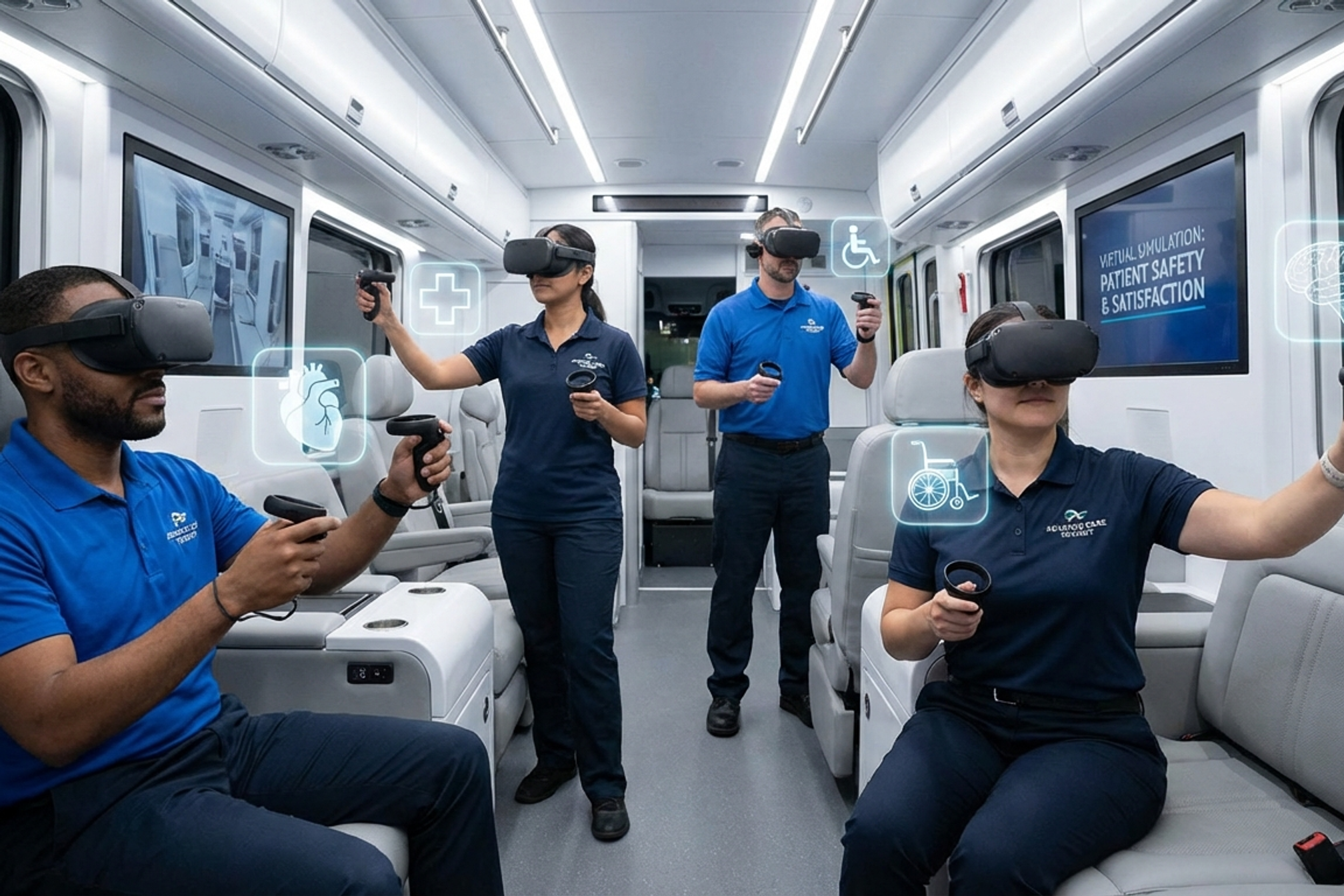
VR isn’t just for gamers anymore—it’s making waves in driver training, too. By putting drivers in virtual cars and tricky scenarios, they can practice handling tough situations without any actual risk. Think of it like a flight simulator but for NEMT drivers: navigating tight streets, managing emergencies, and dealing with special patient cases like wheelchairs or oxygen tanks.
What I love about this is that it builds muscle memory and confidence for rare, high-stress situations. Plus, it’s a pretty engaging way to train, right?
2. Interactive E-learning Modules with Real-life Scenarios
Sometimes, classroom-style learning gets dull. But interactive e-learning brings the lessons to life. Drivers can work through quizzes, choose different outcomes in branching storylines, and problem-solve scenarios that mimic real patient interactions.
It’s especially helpful for drivers who can’t always be on-site for training or who need ongoing education. And because it’s interactive, the learning sticks better.
3. Safety and Sensitivity Training Focused on Patient Needs
Transportation is one thing—but compassion and communication? That’s a whole other skill set. NEMT drivers benefit hugely from training that teaches them how to pick up on subtle patient cues and communicate respectfully with folks from all walks of life.
For example, learning how to assist someone who’s hard of hearing or understanding how to maintain a patient’s dignity during transit can seriously improve the ride experience.
4. Telemetry and Performance Monitoring with Feedback Systems
Modern tech lets fleet managers track how drivers are doing in real-time—checking speed, braking, routes, and more. It’s not about “big brother” watching to catch mistakes but about giving useful, personalized feedback that helps drivers improve on the fly.
What’s neat here is the immediacy; drivers don’t have to wait for a manual performance review—they get insights right after or even during their routes. That kind of real-time coaching goes a long way toward safer driving.
Ready to streamline your transportation workflow?
Discover how an all-in-one NEMT solution can automate scheduling, plan routes and simplify billing so you can focus on delivering exceptional care.
5. Continuous Skill Assessments and Gamification
Who doesn’t like a little friendly competition? Adding game elements like points, leaderboards, and rewards turns training into something more fun and motivating. Drivers stay engaged and keep sharpening their skills because they want to “win.”
Regular skill checks also help make sure no one gets rusty. This combo keeps learning fresh and encourages everyone to aim higher.
Making a Real Difference in Patient Safety with Training
Training That Actually Cuts Down Accidents and Incidents
Many of the innovative techniques aren’t just “nice to have”—they target critical safety areas like:
- Defensive driving tailored for medical transport
- Proper techniques for securing patients safely in all types of vehicles
- Handling tough conditions like bad weather or heavy traffic
- Drilling emergency response specific to medical situations
Focusing training this way means drivers are more prepared, and the risks on the road drop.
Preparing Drivers for Medical Emergencies and Health Awareness
It goes beyond driving skills, too. NEMT drivers often get trained in CPR basics, first aid, and spotting warning signs of things like diabetic episodes or seizures. Having that knowledge helps them react quickly and protect their passengers—sometimes in ways that save lives.
What About Patient Satisfaction? Driver Training Plays a Big Role
Communication Skills that Really Connect with Patients
Good communication can completely change a patient’s experience. Drivers who know how to listen well, use respectful language, and clearly explain what’s happening (like pickup times or special accommodations) help ease anxiety.
Ever had a ride where the driver chatted you through everything? It makes a world of difference.
Comfort Counts: Making the Ride Pleasant
Safety is key, but comfort matters just as much. Smooth driving, right temperature, and even honoring music or quiet preferences all come into play. Innovative training covers these details—teaching drivers how to customize trips so patients feel cared for, not just transported.
Using Patient Feedback to Shape Training Programs
Listening to patients is crucial. Collecting feedback lets training managers find out what’s working and what’s missing. When this info feeds back into training, the whole system improves over time—and that leads to better service all around.
Best Practices for NEMT Driver Training You Can Start Today
Industry Standards and Compliance Basics
Don’t forget the rules. There are regulations from the Department of Transportation and health agencies that set the foundation for safe and ethical transport. Good training programs meet these standards with certifications and regular refreshers.
How to Mix Innovation Into What You Already Do
You don’t have to overhaul everything to get started. Here are some easy wins:
- Add VR sessions to your quarterly refresher courses
- Use telemetry data alongside traditional ride evaluations
- Incorporate flexible e-learning to support remote or off-hours training
- Bring in gamified challenges to encourage friendly competition
These little tweaks can boost your program without disrupting the workflow.
Why It’s a Win for Everyone—Drivers and Patients Alike
Adding these innovative techniques doesn’t just improve safety; it builds trust with patients, reduces costs from accidents, and makes your company stand out in a busy market. Plus, drivers tend to be happier and stick around longer when training is engaging and relevant.
Want more ideas? Check out what NEMT Platform offers—there are great tools and resources tailored just for NEMT pros.
Wrapping Up
Driver training in NEMT is evolving fast, and the future looks pretty exciting. By embracing VR, interactive e-learning, real-time monitoring, and all the other innovative techniques, providers can raise the bar on patient safety and satisfaction.
What do you think? Have you tried any of these methods with your drivers? How did it go? I’d love to hear your experiences or any challenges you’ve faced in leveling up your training.
For those ready to make a change, dive into these cutting-edge solutions and watch your NEMT service become safer and more patient-centered than ever before. Explore more at NEMT Platform and take that next step today.
Ready to transform your NEMT driver training program?
Request a demo or consultation today and join the leading providers enhancing patient outcomes with modern techniques.
Visit https://nemtplatform.com/ to learn more.
Subscribe for updates on the latest driver training innovations and stay informed with NEMT industry news.
Related Articles
How to Do Long Trips and Make More Money in NEMT
Long-distance NEMT trips are the fastest way to increase per-trip revenue. This guide shows you how to build a long-trip business model, where to find the contracts, and how to structure your operations so distance runs stay profitable.
How to Start a Profitable NEMT Business
Profitability in NEMT comes from three things: controlled startup costs, consistent broker contracts, and operational efficiency. Miss any one and you'll spend the first 18 months losing money. This guide walks you through the steps and shows you where the real money leaks happen.
NEMT vs. Uber Health vs. Lyft Healthcare: What's the Difference and When to Use Each
NEMT, Uber Health, and Lyft cover different patient needs. Use specialised NEMT for wheelchair, bariatric, or Medicaid trips. Use rideshare only for ambulatory, low-acuity rides.
How to Buy an Existing NEMT Business: Due Diligence Checklist
Buying an NEMT business? Check finances, fleet, Medicaid IDs, and broker contracts. California buyers must verify Medi-Cal enrollment and CHP inspections before close.